Dog Hiking Gear: Biomechanics, Field Tests & Buyer Standards
What your dog actually needs, what can wait, and what to skip entirely. Unbiased mechanical reviews based on veterinary anatomy and real backcountry wear.
Foundational Gear Guide
Dog Hiking Gear: What You Actually Need (And What Can Wait)
Commercial gear lists tell you to purchase forty items costing hundreds of dollars. Most dogs need just six core essentials to start safely. Learn how to build your trail kit in five sensible stages.
Core Equipment Categories
Explore in-depth mechanical guides categorized by canine gear function:
Harnesses & Leashes
Y-Harness shoulder kinematics, waist bungee leashes, load-rated D-rings, and emergency lift handles.
Packs & Saddlebags
Saddlebag weight distribution, ribcage strap positioning, and calculating your dog’s safe load ceiling.
Paw Boots & Waxes
Cordura boots for sharp scree, heat protection on granite (>125°F), and paw wax barriers for winter ice.
Safety & Rescue Gear
Blaze orange hunting season vests, LED visibility collars, tick hooks, and canine emergency carry slings.
Published Gear Analyses
Independent research and field evaluations with zero sponsored rankings:
 Essentials
Dog Hiking Gear: What You Actually Need (And What Can Wait)
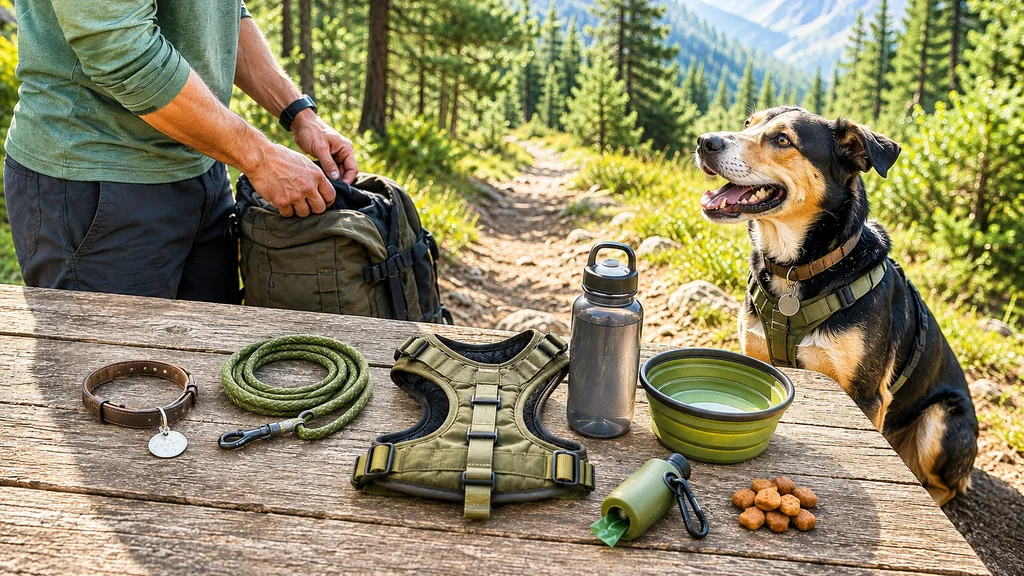
Gear lists tell you to purchase forty items. Most dogs need six to start. Here is the short list for an easy, safe start.
 Biomechanics
Y-Harness vs Chest Strap: What the Research Actually Says
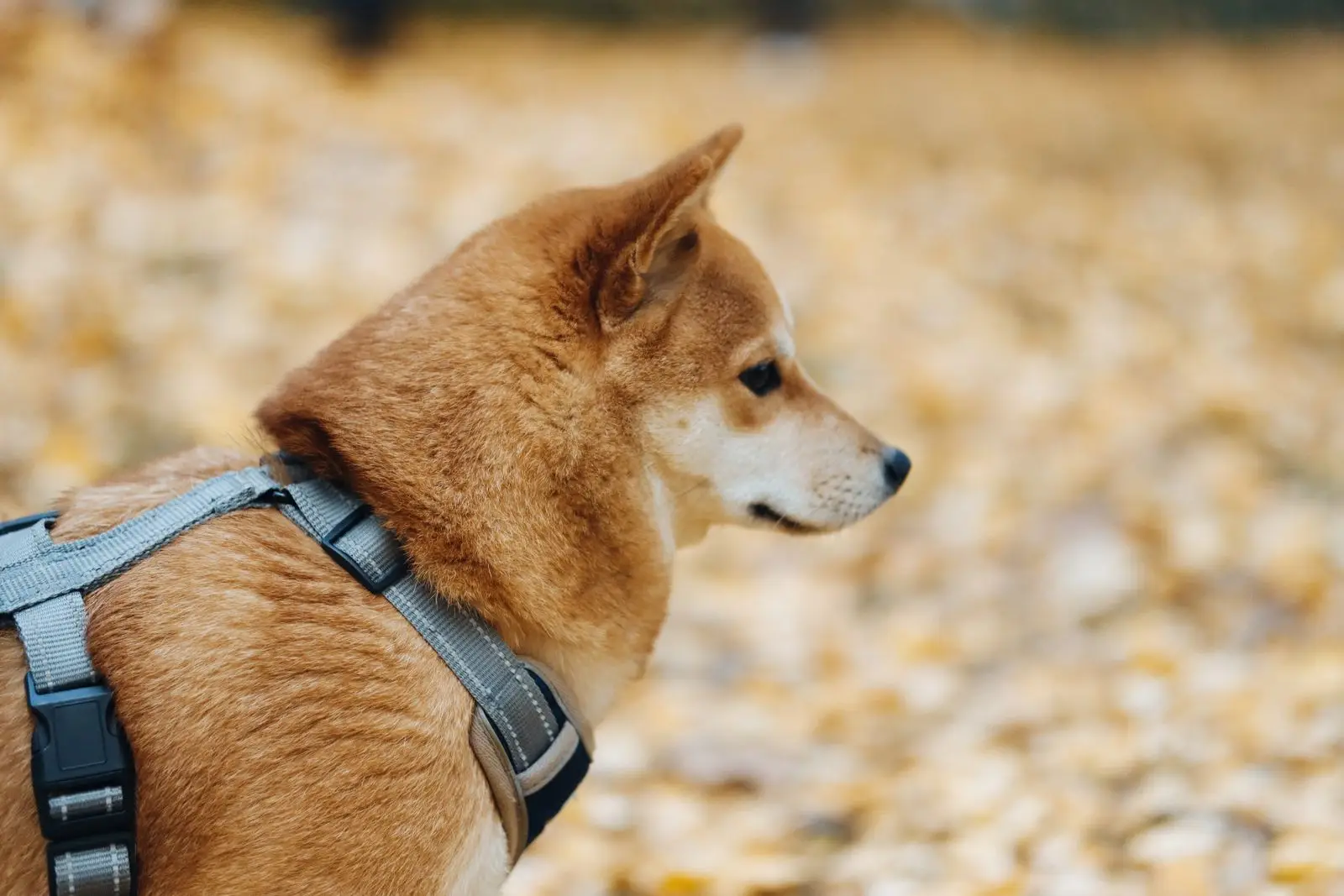
Veterinary gait analysis reveals how horizontal restrictive chest straps alter shoulder extension and stride length on ascents.
 Injury Data
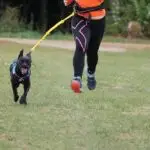
Hands-Free Leashes: What the Injury Data Actually Suggests
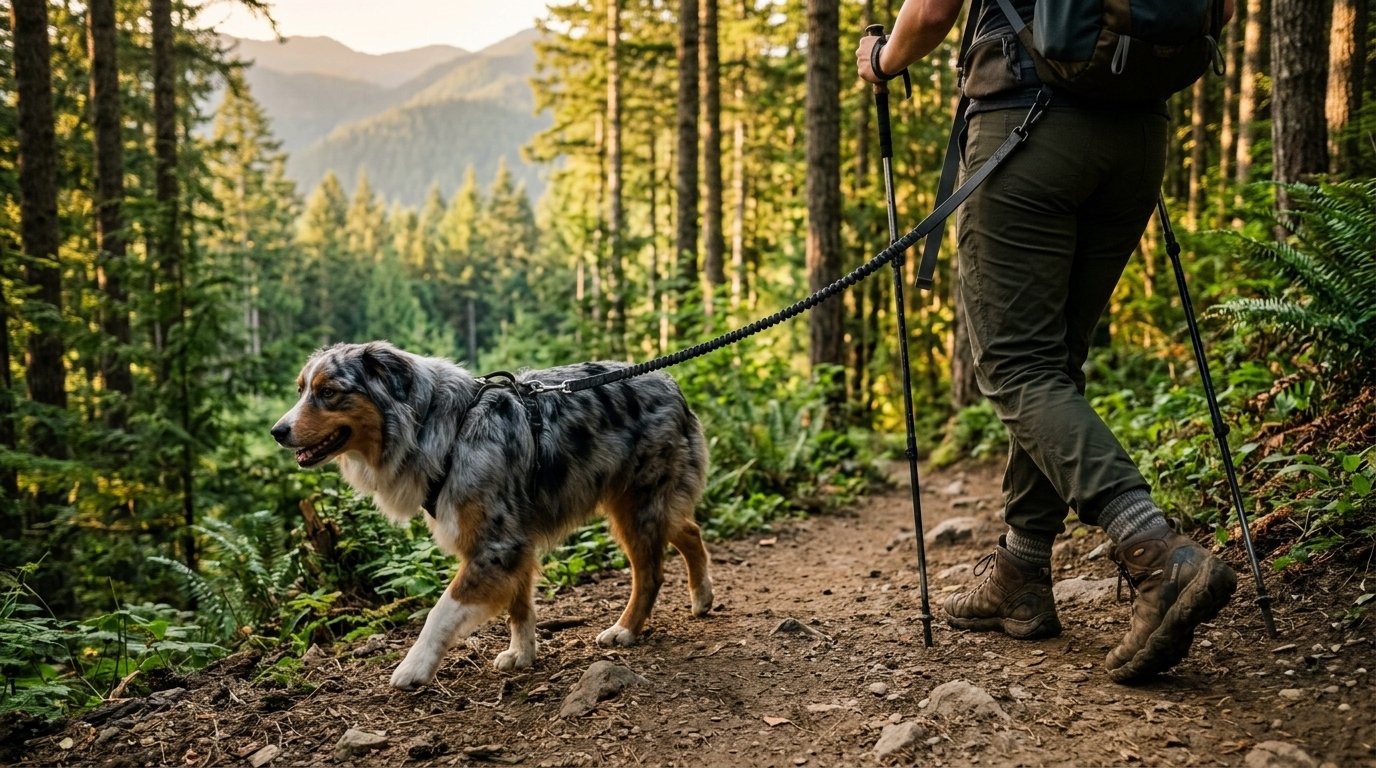
The most common dog walking injury in US emergency rooms is a broken finger. Discover how waist-mounted leashes eliminate hand-wrapping risks.
 Trail Safety
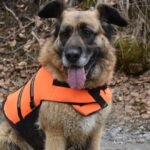
Blaze Orange for Dogs: What Hunting Season Actually Needs
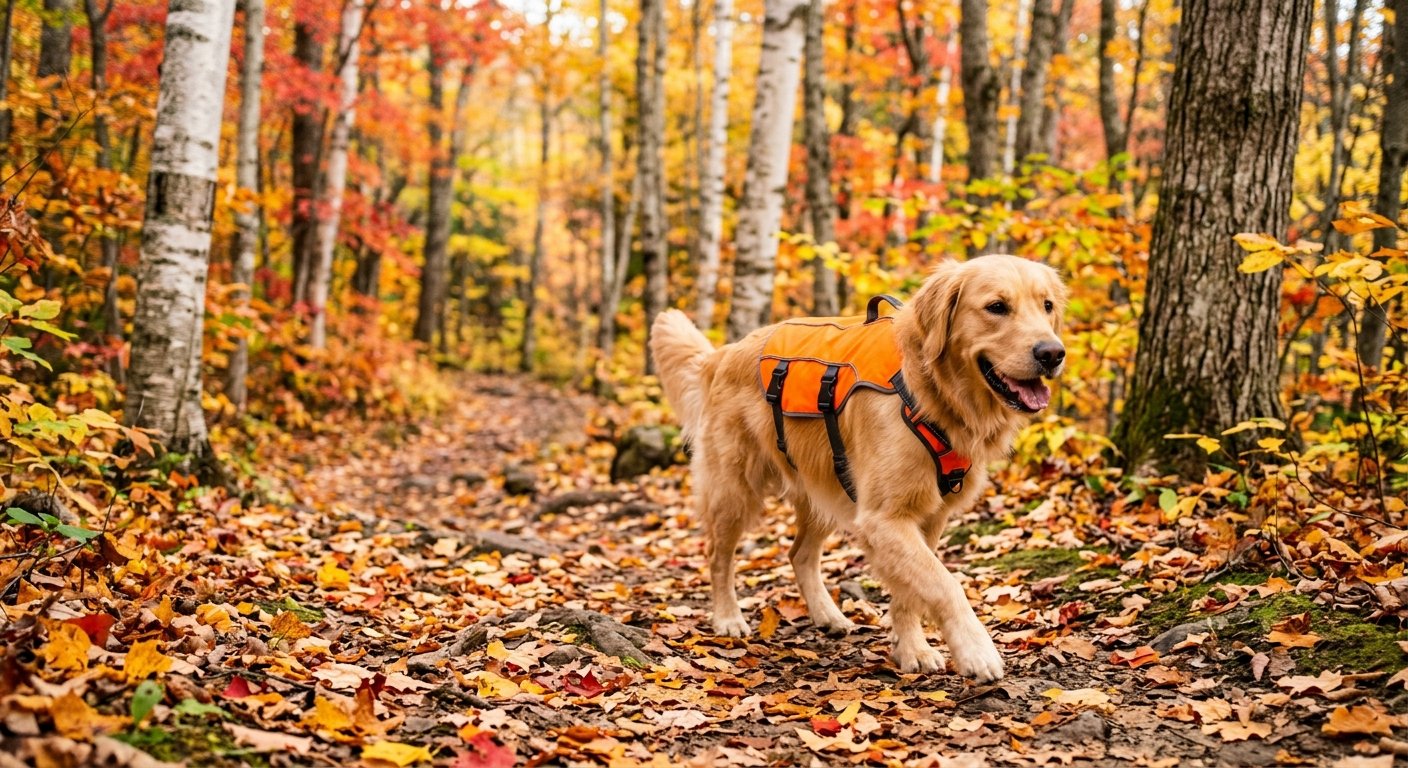
Why blaze orange outclasses neon yellow in autumn canopies, US state game season dates, and low-light reflective performance.
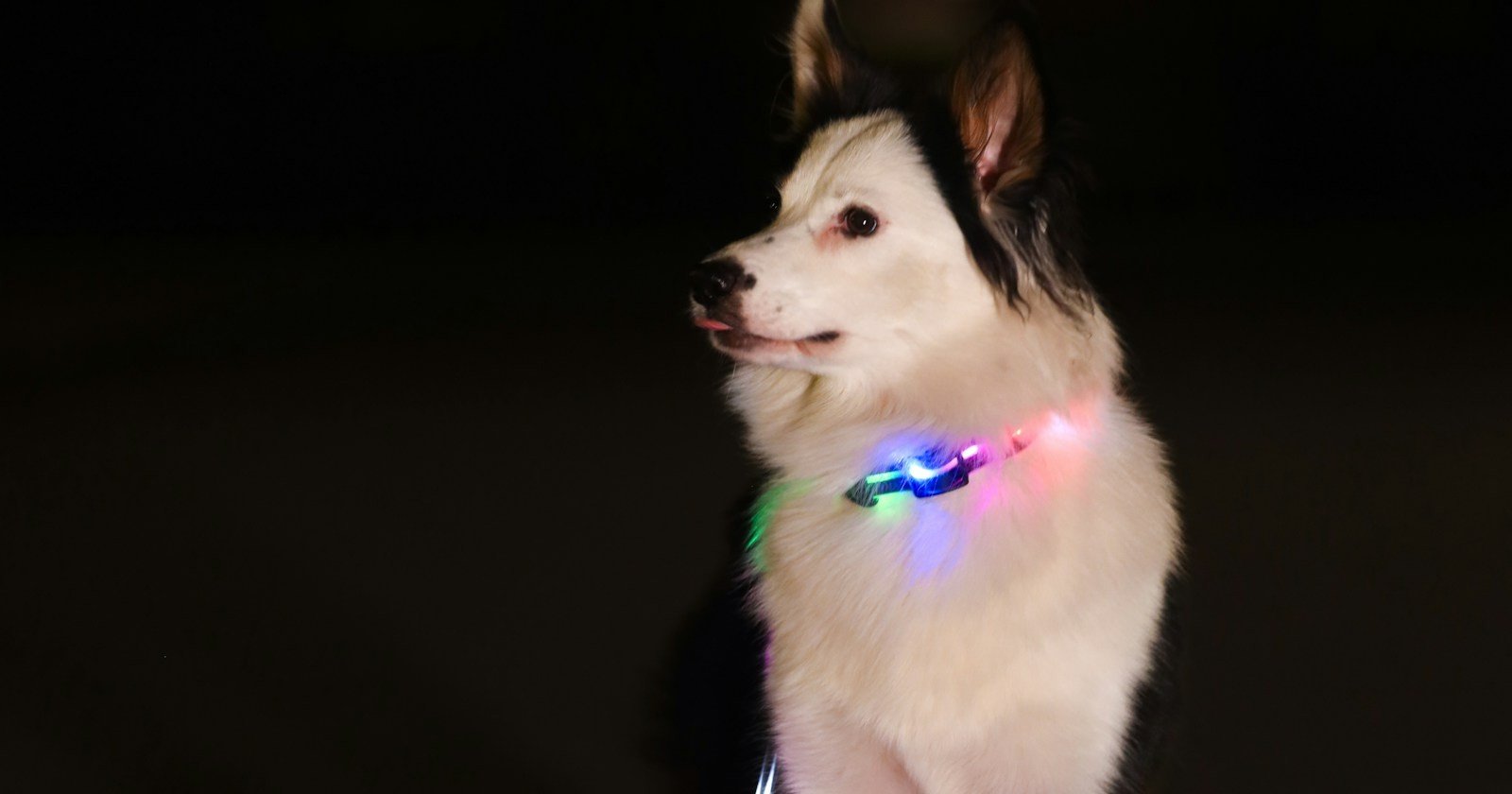 Night Visibility
Dog LED Lights vs Reflective: Which Works After Dark?
Reflective strips need someone else’s light to work. On an unlit trail there often is not one. What the visibility research says, and what to buy instead.
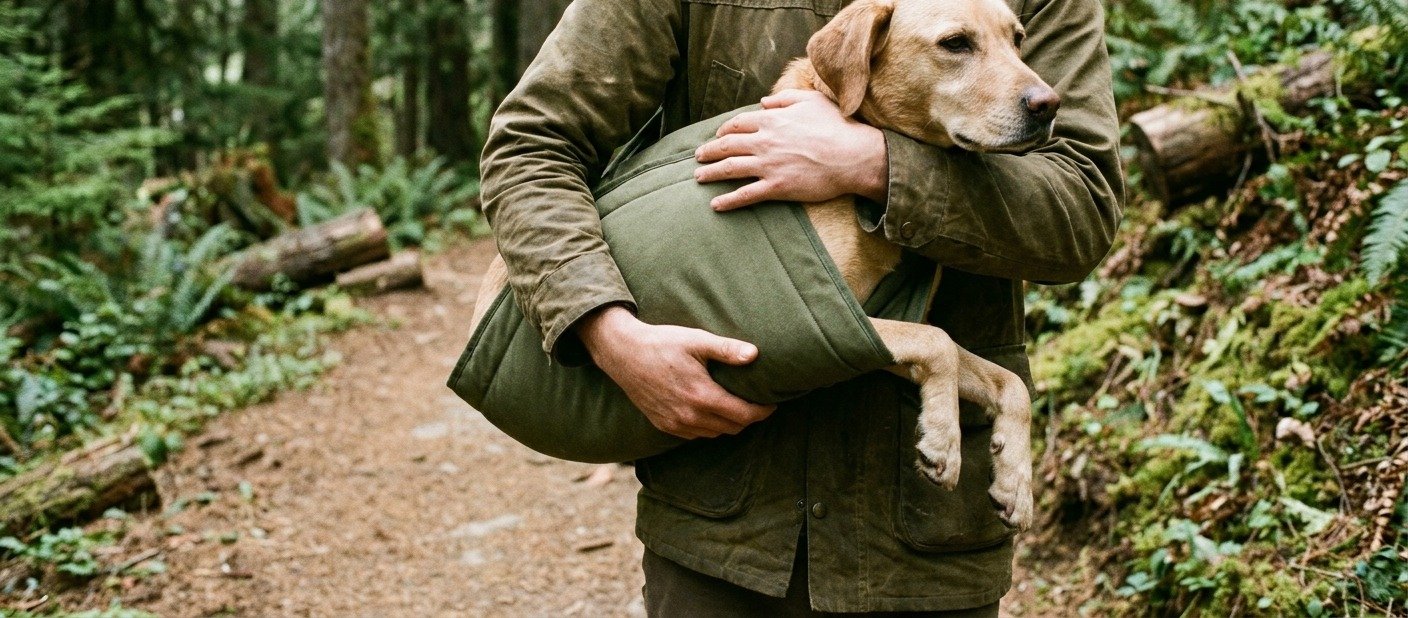 Emergency Carry
Dog Rescue Slings: When They Help, And When They Don’t
A sling solves one problem well, a conscious dog that cannot walk. For a suspected spinal injury, veterinary guidance points somewhere else entirely.
The 5-Stage Gear Framework
Build your dog’s trail kit in sensible stages without overbuying gear you do not need.
Day-One Basics
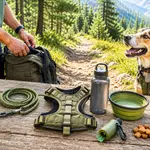
Collar with ID tag, fixed 6ft leash, harness, collapsible bowl, 1.0L water bottle, and waste bags.
First 5 HikesTrail Comfort
Bungee waist leash for hands-free trekking, tick removal hook, and compact canine first-aid kit.
3–6 Mile HikesDistance Packs
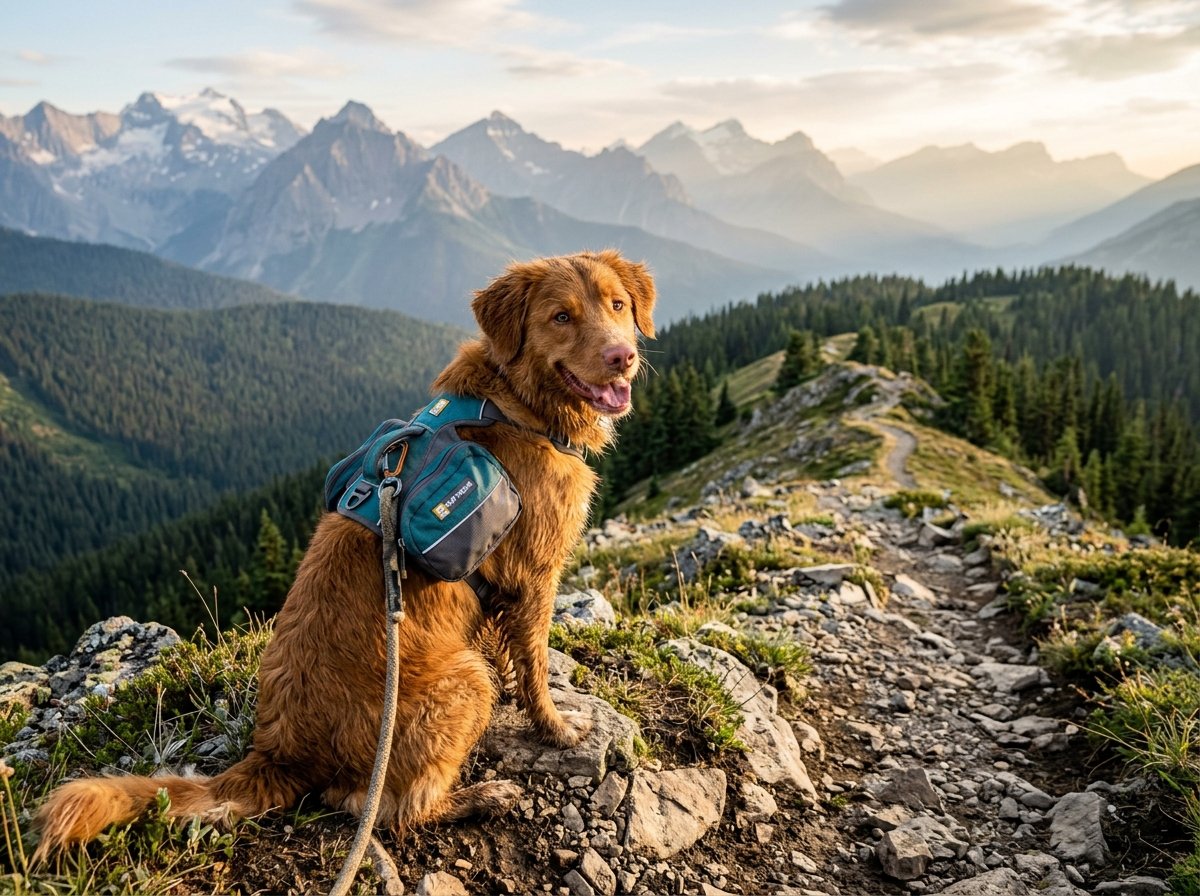
Ergonomic saddlebag backpack carrying dog water and food (only after 12–18 months age maturity).
Half-Day TripsWeather Shields
Blaze orange hunting season vest, insulated waterproof coat, and protective cordura trail booties.
Autumn & WinterAlpine & Overnight
Ultralight canine sleeping pad, emergency evacuation lift sling, and bear-safe food containment.
Multi-Day Backpacking